
When should a creator launch a TV channel?
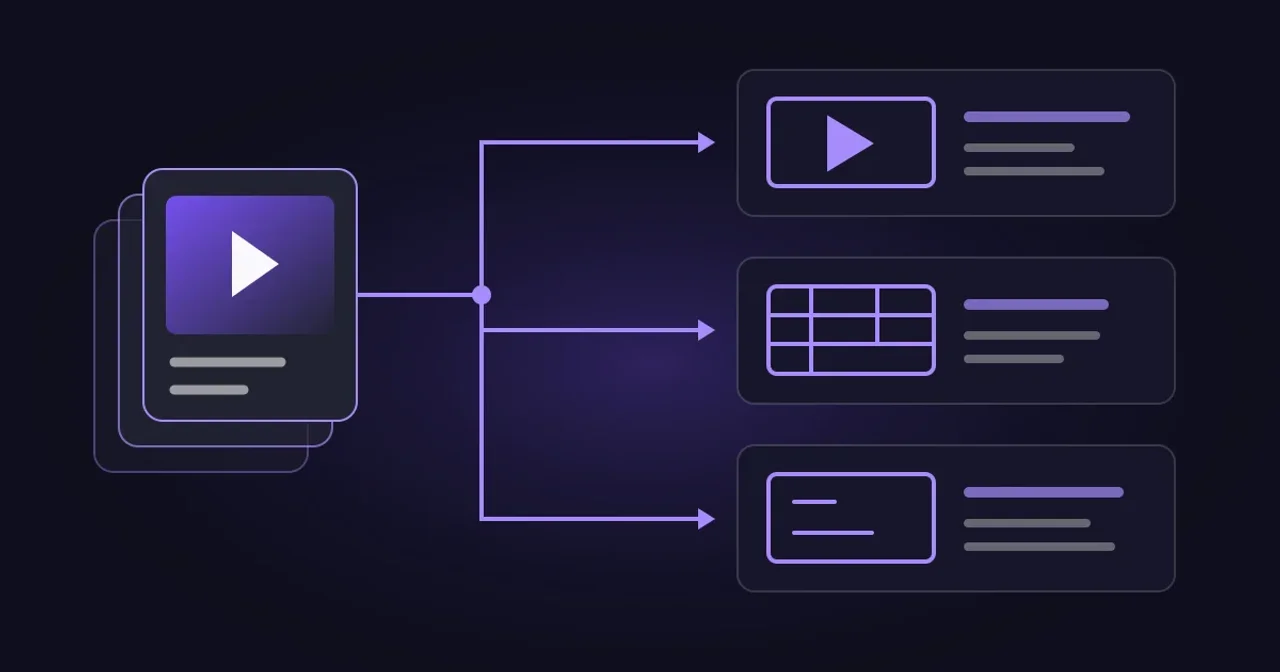
A creator TV channel needs enough programmes to reward repeat viewing, a route to an audience and a business model that pays for the operation. A large subscriber count can help open conversations. The decision to run a scheduled channel needs a closer look at what those viewers watch and what you can legally distribute.
Television is already an important screen for established creators. In September 2026, YouTube reported that TV was the most-watched screen for more than half of its top 100 creators. That is evidence about a particular group on YouTube; it doesn’t establish demand for every creator’s separate linear channel. YouTube’s creator and TV update.
Choose the role of your creator TV channel
Start with the viewing experience you can sustain. A cooking catalogue might support a dependable evening programme block. A topical commentary library may date too quickly for heavy repetition. Viewers should understand what they will get when they return.
Keep building your existing platform business
Publishing series on YouTube can continue alongside sponsorships, memberships and other revenue. It gives you a place to test longer programmes and see whether viewers watch them on television. A separate channel becomes a stronger proposal when it serves an additional audience or distribution opportunity you can identify.
Work with a FAST distribution partner
Free ad-supported streaming television (FAST) places scheduled channels inside streaming services. A partner may help assemble, operate or sell advertising for a channel, depending on the agreement. Establish who supplies the programmes, runs the schedule, provides distribution and accounts for revenue.
Samsung’s announced 2026 deal with Dhar Mann Studios illustrates another route: commissioning creator-led programming for an established TV service. Samsung described Unlikely Romances as its first original scripted series. This is a specific commissioning example, with no public proof here of channel profitability or terms available to smaller creators. Samsung’s series announcement.
Operate your own branded channel
Running the schedule gives you more editorial control and responsibility. You can deliver that branded channel to distribution partners; launching your own consumer app is a separate investment. Agree how advertising sales, viewer data and promotion work at each destination. These arrangements can coexist with your existing platform publishing.
Test the catalogue before buying infrastructure
Count usable programme hours after exclusions, then build a sample schedule. Separate evergreen programmes from dated references, expired offers and material tied to a particular platform. Check episode order and whether each programme makes sense to someone encountering it halfway through a schedule.
There is no universal catalogue size that makes a channel viable. A useful test is whether the intended audience can return regularly without meeting the same episodes too often. Document your repeat policy and the cost of supplying fresh programmes.
Clear the rights for the intended service
Review territories, licence periods, music, archive footage, guest releases and sponsor obligations against the proposed distribution. Permission for an original upload may have a narrower scope than a new television service. Have qualified advisers resolve uncertainties before promising a launch.
Check platform-supplied resources particularly carefully. YouTube says tracks licensed through Creator Music may only be used in videos uploaded to YouTube. That restriction concerns those licences, not every soundtrack in a creator’s catalogue. Review the permissions for each asset you intend to reuse. YouTube Creator Music FAQ.
Budget for television-ready versions
You may need new masters, captions, consistent audio levels, programme descriptions and artwork. Sponsor messages embedded in episodes need review alongside the advertising the distributor intends to sell. Decide who pays for replacements and how quickly corrected versions can reach the schedule.
These costs belong in the launch budget. A library that works well on a creator’s current platform can still require considerable preparation for another service.
Put distribution terms into the financial model
Ask prospective partners which territories and devices they cover, how the channel will be discovered, what reporting they provide and how revenue is calculated. Catalogue delivery alone gives no assurance of prominent placement or sustained viewing.
For example, The Roku Channel selects partners and reviews feeds for inclusion; technical compliance doesn’t guarantee acceptance. Its published ingest specification includes catalogue, scheduling and delivery requirements. Check the current destination-specific rules before budgeting the launch. The Roku Channel’s linear ingest specification.
Build the forecast from monetised impressions and your contractual share of receipts. Keep watch hours, ad opportunities, filled impressions and paid revenue as separate measures. Deduct programme preparation, operations, distribution, sales costs and ongoing content commitments without counting the same fee twice.
Use a downside case with lower viewing and fill, and allow for payment delays. If the channel only breaks even under an optimistic launch forecast, reduce the commitment or negotiate a limited pilot. Set a review date and an affordable exit before signing long obligations.
Advertising buyers also need evidence about the environment they are buying. IAB’s 2026 buyer research reports concerns around inventory quality and trust in premium video. For a creator channel, that makes accurate programme information, clear commercial policies and usable delivery reports sensible preparation for sales conversations. The study concerns advertiser attitudes, not guaranteed demand for creator channels. IAB’s premium video research.
Decide who carries the operating responsibility
Someone must maintain schedules, resolve failed assets, check outputs and coordinate with distribution partners. Put names against those tasks, including evenings and weekends. A playout service’s availability commitment covers a defined service boundary; the viewer’s experience also depends on downstream delivery and playback.
Self-operated SaaS suits teams that want direct operational control and can staff those responsibilities. A managed service can put agreed day-to-day tasks with a specialist team. Compare the full scope, escalation arrangements and internal workload when evaluating proposals.
Evrideo’s Broadcast platform supports channel scheduling and playout, with managed services available for agreed operating responsibilities. Platform selection should follow the catalogue and distribution decisions so that the required service is clear.
A creator TV channel is ready for a pilot when the rights are documented, the schedule holds up, a distribution route is agreed and the downside budget is affordable. Set targets for viewing, repeat visits, net contribution and workload, then review the evidence before expanding. Talk to Evrideo about the channel you can sustain and the operating model it needs.
Related Articles
Gen Z Viewing Habits: How Broadcasters Can Respond
September 25, 2026 · 6 min read
Shoppable TV: What Early Adopters Have Learned
September 18, 2026 · 6 min read
Broadcasting with a SaaS Business Model: Channel Economics
September 17, 2026 · 6 min read