
Gen Z Viewing Habits: How Broadcasters Can Respond
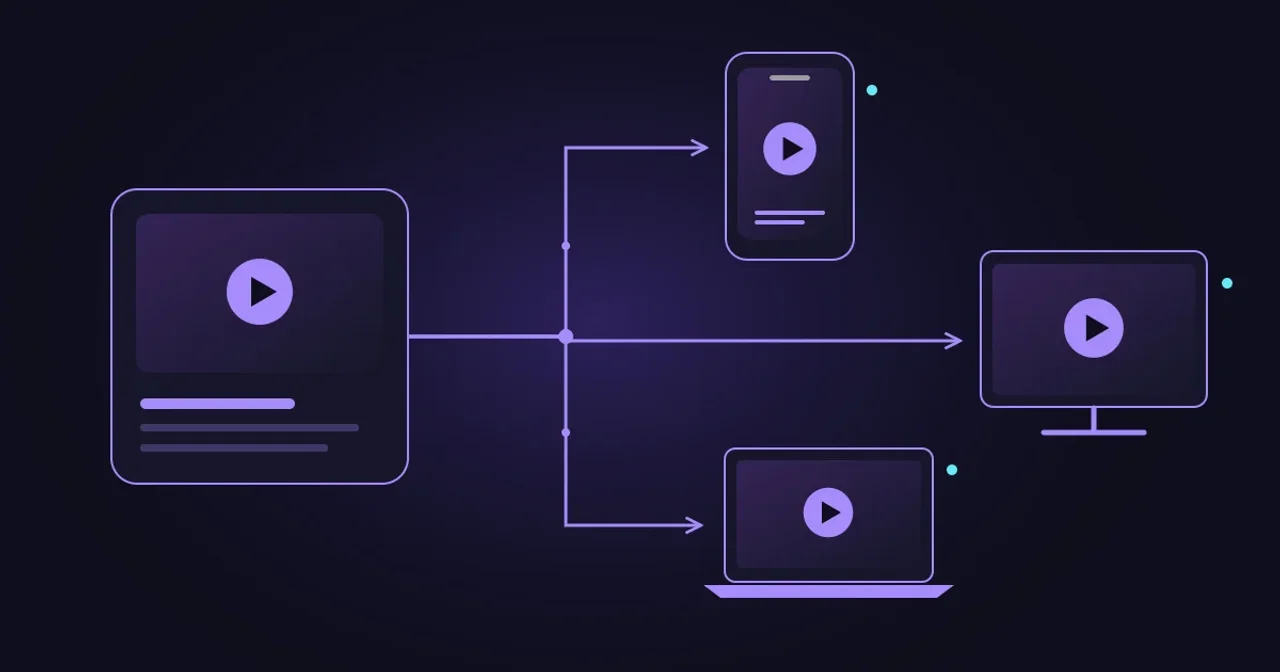
Gen Z viewing habits put social discovery near the centre of a broadcaster’s growth strategy. In Deloitte’s 2026 Digital Media Trends research, 73% of Gen Z fans said social media was their primary way of discovering new entertainment content. That finding covers fans in a US consumer survey, conducted in October and November 2025, rather than every young viewer worldwide. It gives commercial teams a useful starting point: plan how someone encounters a programme before deciding where the full programme should live. Deloitte’s research and methodology.
Read Gen Z Viewing Habits Carefully
Television can mean a screen, a scheduled channel or professionally produced programmes. Those categories overlap. A viewer discovering a presenter on a phone and later watching their documentary on a connected TV may have little relationship with the original channel brand.
Ofcom’s Media Nations 2026 report provides useful UK context: broadcaster content still represents the majority of video watched in homes, even as weekly broadcast TV reach declines and broadcaster streaming services gain users. These population-level findings should not be treated as Gen Z statistics or combined directly with Deloitte’s US fan survey. They show why a distribution strategy needs more detail than declaring television finished. Ofcom, Media Nations 2026.
Start with a defined audience, territory and interest. A university sports audience, young parents and music fans may need different formats, release schedules and commercial offers, even where their ages overlap.
Build a Programme People Can Find and Follow
Make Each Discovery Format Worth Watching
A short interview, tactical explanation or backstage moment should deliver something complete. Give it a recognisable presenter or editorial voice, readable captions and a clear connection to the wider programme. Repeatedly withholding the answer to force a click can undermine the reason someone followed in the first place.
Commission these formats alongside the main programme. Check whether contributor agreements, music rights and territorial licences permit social reuse. Capture appropriate framing and clean audio during production so the team can publish a useful version without rebuilding every edit.
Give Interested Viewers a Working Next Step
Test the journey on an actual phone. On YouTube, a Short can link to a related video from the same channel, provided advanced features are enabled and the destination is public or unlisted. This offers a practical route to a full interview or episode. YouTube’s related-video requirements.
That detail matters because URLs in Shorts descriptions and comments are not clickable. A campaign built around a pasted description link can create an avoidable dead end. Use the supported linking mechanism, then check that the destination delivers what the Short promised. YouTube’s link guidance.
Treat moving viewers to your own service as one possible outcome. Some programmes may earn a stronger return by building a substantial audience on the platform where discovery happens. Compare the economics before adding registration, another application or a subscription step.
Measure Audience Growth and Commercial Value
Separate three questions in the weekly commercial review:
- Discovery: Which formats reach the intended audience, and how much does that exposure cost?
- Repeat viewing: Do people watch longer programmes, return for another episode or deliberately follow the series?
- Contribution: What remains after platform shares, rights, production, delivery, promotion and community-management costs?
Agree definitions before comparing destinations. A short-form view, a completed episode and a television audience estimate describe different behaviour. Adding platform totals does not produce deduplicated reach. Where reliable cross-platform identity is unavailable, report the overlap as unknown and show each audience separately.
Commercial packages can combine a sponsored series, premium scheduled spots and eligible addressable inventory. Price each using evidence appropriate to that placement. Avoid promising a Gen Z audience solely because a programme appears on a popular social platform. Audience composition needs supporting measurement, and targeting practices need appropriate privacy safeguards, especially where minors may be involved.
Test One Editorial Franchise for Eight Weeks
Consider a hypothetical regional broadcaster with rights to a local music series. It already has performances, presenter access and a modest archive. An eight-week experiment could test whether this material supports a repeat digital audience before funding a permanent channel.
Set a Manageable Publishing Plan
Release one complete weekly episode and three recurring short formats: a performance moment, a musician’s explanation and a presenter-led recommendation. Give an editor responsibility for consistency, rights clearance and audience questions. Cap additional production and paid-promotion spending in advance.
Use a shared programme identifier across assets and reporting. Track the destination of each supported link. Keep a comparable baseline from earlier episodes, recording promotion and major editorial differences so an exceptional guest does not become misleading evidence for the whole strategy.
Decide What Would Justify Expansion
Review repeat viewers, watch time, qualified sponsor interest and contribution after the full cost of the experiment. Compare episodes and publishing formats rather than judging the project by its biggest viral clip. Attribution will be incomplete; document that limitation alongside the results.
A FAST channel becomes a sensible next test when there is enough cleared programming to sustain a worthwhile schedule and a distribution partner offers credible audience access. An archive and a handful of successful clips alone do not establish that business case.
Give the Team a Repeatable Operating Model
Audience development needs editorial and production skills as well as software. The BBC, YouTube and National Film and Television School’s Create x Connect partnership, announced in May 2026, brings training to TV producers, digital creators and journalists. It is a useful example of investment in shared skills, rather than evidence of a guaranteed audience return. The partners’ announcement.
Operationally, keep programme metadata, approved versions, captions and rights windows connected. Evrideo’s Broadcast platform and RapidClip can support channel operations and clipping workflows within that broader plan. The editorial proposition and distribution agreement still need owners.
Gen Z viewing habits give broadcasters reasons to reconsider discovery, continuity and measurement together. Choose one audience, make a programme worth returning to, and expand when the evidence supports the cost. Talk to Evrideo about the workflow needed to support that plan.
Related Articles
Shoppable TV: What Early Adopters Have Learned
September 18, 2026 · 6 min read
Broadcasting with a SaaS Business Model: Channel Economics
September 17, 2026 · 6 min read
The Cheapest OTT Content May Be a Linear TV Channel
August 28, 2026 · 7 min read