The Cheapest OTT Content May Be a Linear TV Channel
An OTT content strategy does not always need another catalogue of individual titles. Sometimes the fastest and most economical way to add hundreds of hours of coherent programming is to license a linear television channel that has already been scheduled, branded and prepared for continuous viewing.
This matters because streaming has become television's main growth environment. Nielsen reported that streaming represented 44.8% of US television use in May 2025, exceeding broadcast and cable combined for the first time. FAST services Pluto TV, The Roku Channel and Tubi together accounted for 5.7% of viewing in the same month (Nielsen's May 2025 Gauge). OTT platforms need enough content to serve that demand, but every new title also creates rights, asset and operational work.
Why a Linear Channel Can Simplify an OTT Content Strategy
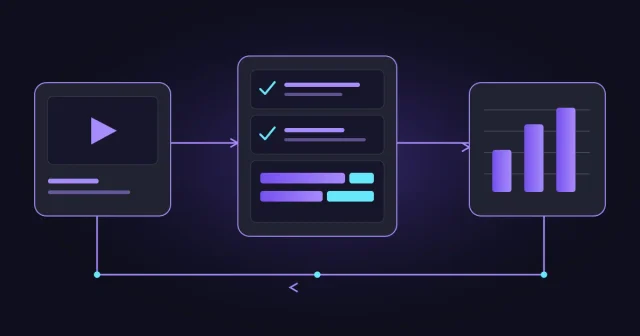
A VOD title is only the beginning of a product. Before an OTT service can publish it, the platform may need a contract and territory window, mezzanine media, captions, artwork, metadata, ratings, identifiers, language versions, encoding, packaging, quality control and placement in the user interface. Repeat that process across several hundred titles and the catalogue becomes a supply-chain operation.
The scale is easy to underestimate. The European Audiovisual Observatory's 2025 catalogue study analysed more than 2.5 million appearances of films and television seasons across EU27 VOD catalogues. Individual European works represented 46% of titles in exploitation but only 32% of catalogue appearances, illustrating how much title-level circulation and placement varies between services (European Audiovisual Observatory, 2025 VOD catalogue study).
A channel bundles programming with the rights package
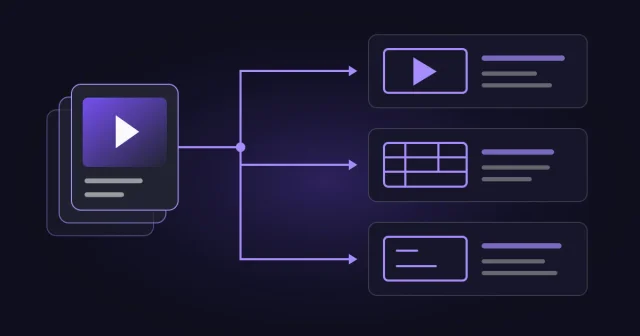
A licensed channel arrives as an editorial product rather than a box of assets. Its owner has selected the programmes, built the schedule, managed rotations, created continuity and defined the audience proposition. The OTT operator still needs to agree territories, platforms, advertising rights, reporting and technical delivery, but it is onboarding one continuous service instead of programming every viewing hour itself.
That distinction can be especially valuable for specialist genres, regional content, news, factual libraries, music, children's programming and long-tail sport. A clear channel promise can give depth to a platform without asking its internal team to become expert programmers in every niche.
Linear can reduce the discovery burden
Large catalogues do not automatically create useful choice. A channel gives the viewer a low-friction decision: watch what is on now. It also provides a familiar object for a programme guide, live row, recommendation rail or voice search. Amazon's Fire TV documentation, for example, supports surfacing linear services in its Channel Guide and On Now row, while catalogue integration makes content discoverable through home-screen and global search experiences (Amazon Fire TV Universal Search and Browse documentation).
This does not make metadata optional. The channel needs accurate now-and-next data, artwork, descriptions and identifiers. The difference is that discovery can begin with a programmed destination and then expose individual programmes around it.
A Practical Comparison: 300 Titles or Three Channels?
Consider a hypothetical regional OTT service that wants to deepen its factual, music and lifestyle offering.
One option is to acquire 300 VOD titles. The commercial team negotiates rights title by title or package by package. Operations receives hundreds of files, resolves missing captions and artwork, normalises metadata, creates platform encodes, checks every item and maintains expiry windows. Product teams must then decide how those titles will be curated and discovered.
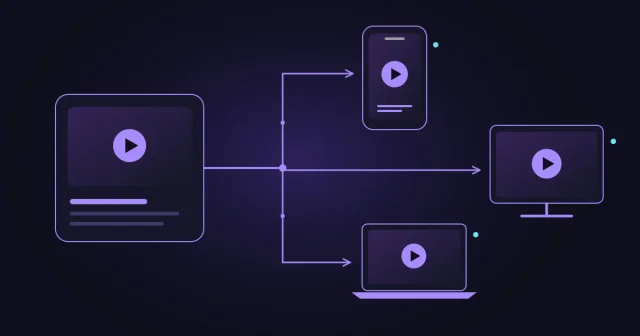
The alternative is to license three established linear channels, one in each genre. The platform integrates three live feeds, programme schedules and channel brands, then validates encoding, captions, ad signalling, availability and playback. It may also receive selected catch-up or restart rights, but the core programming operation remains with each channel owner.
The second route is not automatically cheaper. A premium channel licence can cost more than a modest VOD package, and live delivery requires resilient contribution, monitoring and support. However, the comparison should include the platform's internal cost of making individual assets usable, not just the rights fee. The channel can be commercially attractive when speed, programming depth and reduced catalogue operations matter.
When Channel Licensing Works Best
- The audience proposition is clear: the channel serves a recognisable genre, community, territory or viewing occasion.
- The schedule adds real value: programming, live windows, premieres or curation make the service more useful than an unstructured playlist.
- Rights travel cleanly: the agreement covers the intended territories, devices, advertising model and any restart or catch-up features.
- Delivery is operationally mature: the provider can supply reliable feeds, metadata, captions, ad markers and support.
- The OTT platform can surface live content: programme guides, live rows, recommendations and search help viewers find the channel.
The market already supports a large supply of focused services. The European Audiovisual Observatory reported that more than half of audiovisual media services and video-sharing platform channels in Europe had a thematic programming focus in 2025 (European Audiovisual Observatory, Audiovisual Media Services in Europe). That does not guarantee demand for every channel, but it confirms that specialisation is a mainstream operating model.
When VOD Is Still the Better Product
Viewers may need to choose a specific episode, follow a serial story from the beginning, download content, build a watchlist or watch without reference to a schedule. Premium films, box sets and personalised learning are obvious cases where an on-demand product should lead.
The strongest OTT services often combine both models. Linear channels create an immediate, curated viewing experience; VOD supports intent, completion and control. A viewer can discover a programme on a channel and continue with related episodes on demand. The same metadata and rights system should connect those experiences rather than treating them as separate businesses.
Conclusion: Price the Complete Content Operation
A useful OTT content strategy compares the full cost of each proposition: rights, onboarding, media preparation, metadata, programming, discovery, delivery, monetisation, monitoring and support. A linear channel can package many of those activities into one product and give the platform hundreds of programmed hours without hundreds of independent onboarding decisions.
Evrideo Broadcast enables content owners to originate, manage and distribute linear and FAST channels to OTT partners, while supporting the schedules, metadata, ad signalling and output profiles those services require. For platforms and channel owners, the commercial opportunity is the same: turn a reliable channel feed into a content experience that is fast to integrate and easy for viewers to understand.