

The Evolution of Master Control: From Hardware to Cloud
The master control room is where broadcast operations live or die. For decades, it was defined by racks of hardware: routing switchers, multiviewers, audio consoles, character generators, and the engineers who kept them running. That model is changing fundamentally.
What Traditional MCR Looks Like
A traditional MCR for a mid-sized broadcaster might include: a routing switcher with hundreds of inputs and outputs, a multiviewer wall with dozens of monitors, dedicated hardware for each function (graphics, audio, compliance), and a team of operators monitoring everything 24/7. The capital cost is in the millions; the operational cost is in the hundreds of thousands per year.
The Cloud-Native MCR
A cloud-native MCR replaces physical hardware with software running on cloud infrastructure. The routing switcher becomes a software-defined signal router. The multiviewer wall becomes a browser-based monitoring interface. The dedicated hardware becomes microservices that can be scaled up or down based on demand.
What Changes for Operators
The fundamental job of an MCR operator doesn't change: monitor signals, respond to issues, execute rundowns. What changes is the interface and the infrastructure. Cloud-native MCR operators work in browser-based interfaces that can be accessed from anywhere, with AI-assisted monitoring that flags anomalies before they become incidents.
The Transition Path
Most broadcasters don't replace their MCR overnight. The most common approach is a parallel deployment: run the cloud-native MCR alongside the existing hardware for a period of 3-6 months, gradually migrating channels and workflows until the hardware can be decommissioned.
Related Articles

Introducing Evrideo StreamCheck: A Free SRT Diagnostic Tool for Broadcast Engineers
June 22, 2026 · 7 min read
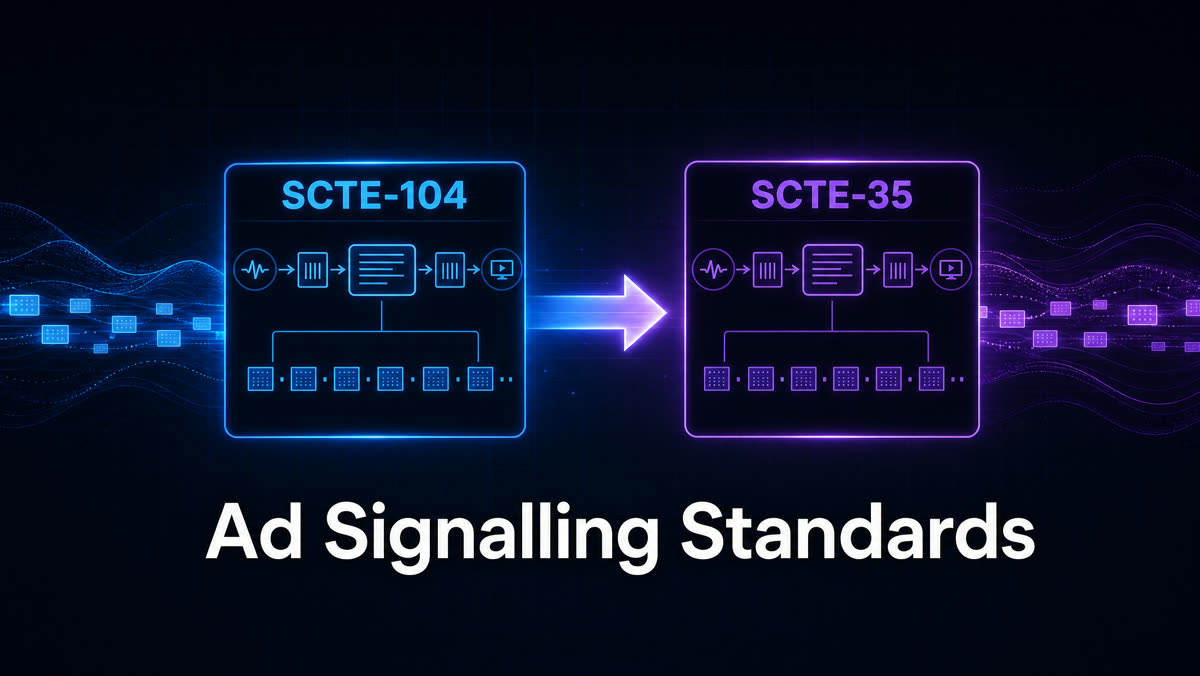
SCTE-35, SCTE-104 and SCTE-224: The Complete Guide to Broadcast Ad Signalling Standards
June 11, 2026 · 9 min read
Everything You Ever Wanted to Know About SCTE-35
May 21, 2026 · 22 min read