
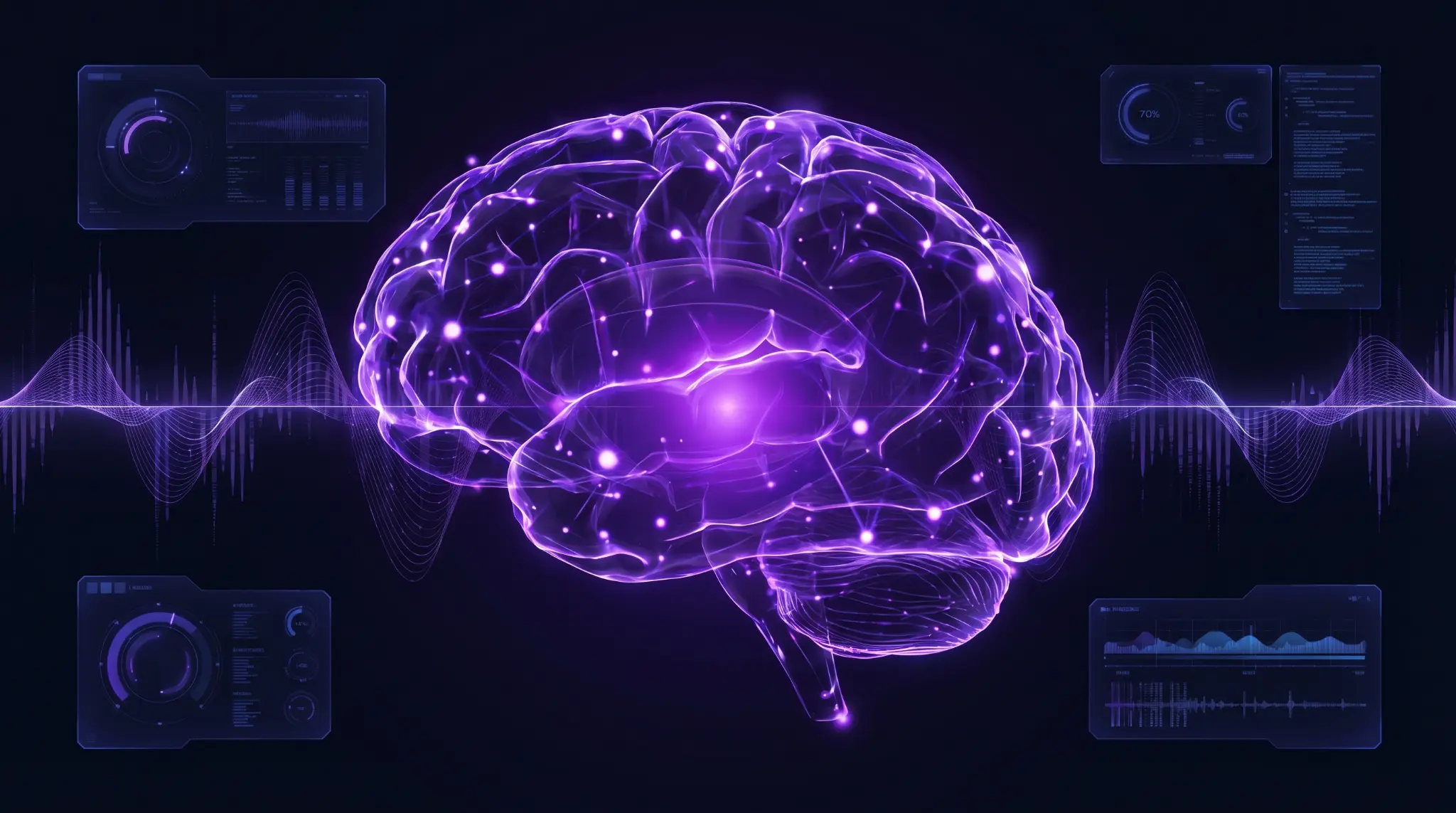
AI in Broadcast Operations: Beyond the Hype
The broadcast industry is awash with AI claims. Every platform, every vendor, every press release mentions artificial intelligence. But when you cut through the marketing language, what is AI actually doing in broadcast operations today — and where is it genuinely creating value?
Where AI Actually Works in Broadcast
Based on our experience deploying AI tools across 60+ broadcast operations, here are the areas where AI is delivering measurable, repeatable value:
Content Analysis and Tagging
AI-powered content analysis can automatically extract metadata from video files — identifying scenes, detecting faces, transcribing speech, and generating searchable tags. This transforms unstructured video archives into queryable content libraries. The ROI is immediate and measurable: what used to take a team of editors weeks can be done overnight.
Automated Quality Control
AI-based QC tools can detect audio loudness issues, black frames, aspect ratio errors, and encoding artefacts far faster and more consistently than human reviewers. False positive rates have dropped dramatically in the last two years, making automated QC a genuine replacement for manual review in most scenarios.
Scheduling Optimisation
AI scheduling tools can analyse historical viewership data, content performance metrics, and audience demographics to recommend optimal programme placement. This is particularly valuable for FAST channels with large content libraries.
Where AI Doesn't Work Yet
Creative editorial judgment, live event decision-making, and complex compliance interpretation still require human expertise. AI is a tool for augmenting human operators, not replacing them — at least not yet.
The Autonomization Spectrum
At Evrideo, we think about AI in broadcast on a spectrum from automation (rule-based, deterministic) to autonomization (AI-driven, adaptive). The goal is to move as many routine tasks as possible toward autonomization, freeing your team to focus on the work that genuinely requires human judgment.
Related Articles
Introducing Evrideo StreamCheck: A Free SRT Diagnostic Tool for Broadcast Engineers
June 22, 2026 · 7 min read
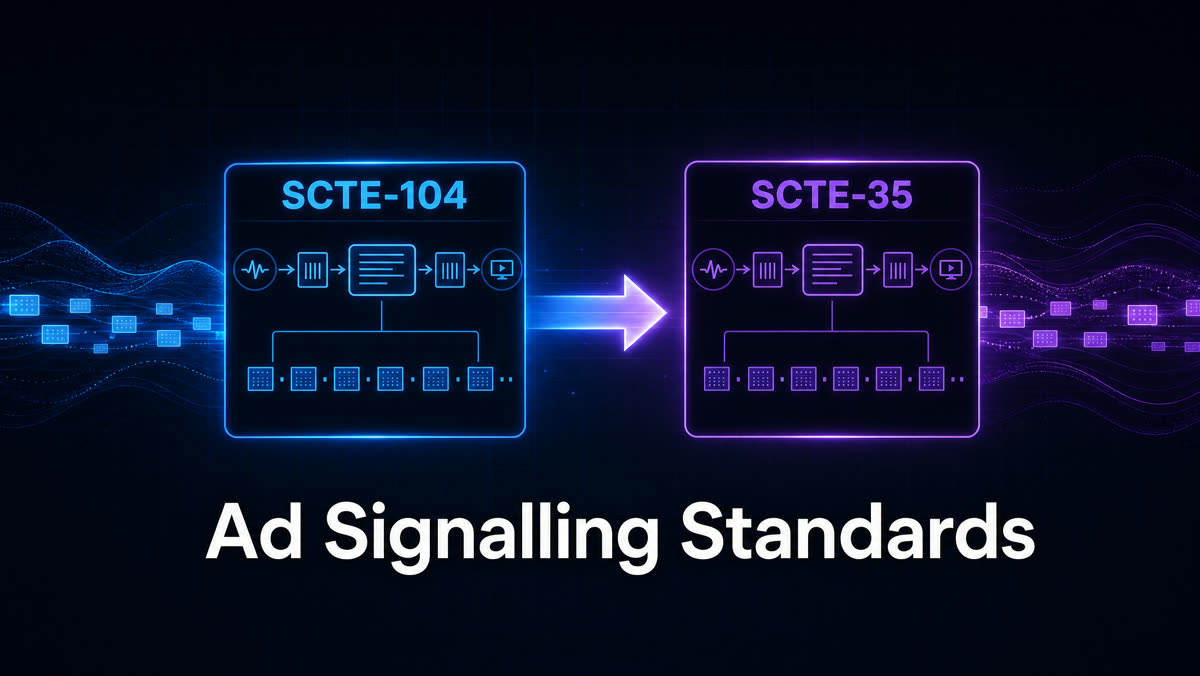
SCTE-35, SCTE-104 and SCTE-224: The Complete Guide to Broadcast Ad Signalling Standards
June 11, 2026 · 9 min read
Everything You Ever Wanted to Know About SCTE-35
May 21, 2026 · 22 min read